











 Listen to this article
 Scoliosis
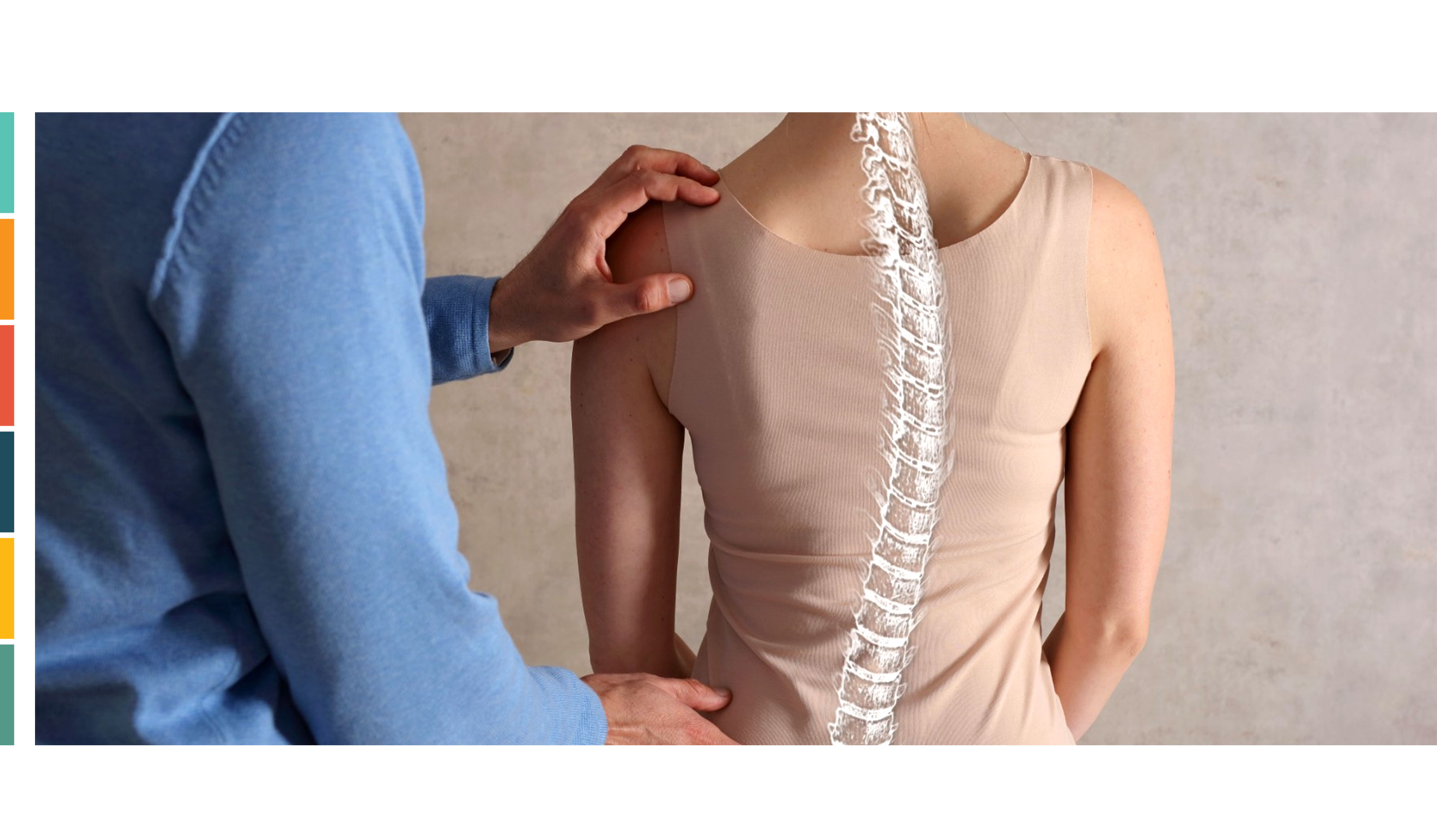
Scoliosis implies abnormal right or left curve of the spinal column. It is most commonly detected in adolescents.
How is Scoliosis Diagnosed?
On anterior or posterior view of the spinal column, scoliosis is suspected if right or left curve is recognized. X-ray is scanned for final diagnosis; angle of the curve, if any, is measured, scoliosis is diagnosed, if the angle is above 10 degrees.
What are causes of scoliosis?
The most common one is idiopathic scoliosis. Although various theories are postulated for causes of idiopathic scoliosis, studies have focused on genetic factors.
Can I understand if my child has Scoliosis?
If below written findings are recognized by parents, it is necessary to visit a doctor:
- One shoulder appears elevated relative to other one.
- One scapula (blade bone) is protuberant
- There is shift to one side in trunk and/or rib cage
- Lumbar asymmetry
One should know that absence of these findings does not rule out scoliosis.
Is there any risk of progression in abnormal curve?
It may not be always easy to predict if scoliosis will progress. Multiple criteria should be reviewed. Most important factors are angle of the curve and how long the skeleton will continue to lengthen.
What are the treatment options?
There are surgical and non-surgical treatments. Follow-up and braces are examples of non-surgical treatments. Corset or posture brace aims to prevent progression and eliminate the surgery need. Corset should be worn until growth is completed. However, scoliosis may progress despite corset and a surgical procedure may be required.
What Are Aims of Surgical Treatment?
The aim is to prevent further progression of scoliosis and correct the spinal column in safest manner. Thus, potential serious health problems are prevent that may develop in the future. These problems are listed below:
- Lung diseases (difficulty in breathing)
- Heart problems
- Muscle weakness
- Pain
- Lumbar osteoarthritis
How is Scoliosis Surgery performed?
Implants (rods, screws) are used to correct the spinal column in safest manner. It can be regarded as a type of “internal corset”. Recently, surgeries are performed by making an incision at thoracic level.
Spinal Cord Monitoring: today, scoliosis surgery is far safer.
Patients and family members mostly ask “What is the risk of plegia?”. Today, signals emitted by spinal cord are received by probes attached to arms and legs of the patient at the beginning of the surgery and these signals can be seen on monitors of high-tech computers. This early warning system eliminates substantially the risk of plegia secondary to spinal cord injury.
How About Selecting a Surgeon?
You are recommended to prefer a “Spine Surgeon”, who is educated, trained and specialized on spine deformities of children/adolescents and have successful experience in scoliosis surgery cases.

 20/07/2026

